What Is Plantar Fibromatosis?

Plantar fibromatosis is a condition characterized by the development of benign fibrous nodules within the plantar fascia, the thick connective tissue along the bottom of the foot. These firm lumps are typically located in the arch, and may gradually increase in size. Symptoms can include localized pain, tenderness, swelling, and discomfort while walking or standing, especially when pressure is applied over the nodule. The exact cause is not always clear, but risk factors may include genetic predisposition, congenital influences, repetitive trauma, and certain medical conditions. A podiatrist can evaluate the growth, provide imaging if needed, and recommend custom orthotics or advanced treatment options. If you have symptoms of a plantar fibroma, it is suggested that you consult a podiatrist who can offer effective relief and treatment solutions.

A plantar fibroma may disrupt your daily activities. If you have any concerns, contact one of our doctors of Favor Foot Ankle Leg & Wound Center. Our doctors can provide the care you need to keep you pain-free and on your feet.

Plantar Fibroma

A plantar fibroma is a fibrous knot in the arch of the foot. It is embedded in the plantar fascia which is a band of tissue that extends from the heel to the toes along the bottom of the foot. There can be multiple plantar fibromas in the feet at the same time. There are no known causes for this condition. If you have a plantar fibroma, there will be a bump in the arch of your foot that cannot be missed. Any associated pain is most often due to a shoe rubbing against the nodule. Non-surgical options, such as steroid injections, physical therapy, and orthotics should be tried first. Surgery is a last resort and is the only thing that will remove a plantar fibroma entirely. Consult with a podiatrist for a proper diagnosis and to determine the treatment regimen that is right for you.

What Causes a Plantar Fibroma?

While there are no specific causes identified, a plantar fibroma can possibly come from genetic predisposition or the formation of scar tissue that forms from healing the tears in the plantar fascia.

What Are the Symptoms of a Plantar Fibroma?

There will be a noticeable lump in the arch of the foot that may or may not cause pain. If pain is felt, it is typically because a shoe is rubbing up against the lump or when walking or standing barefoot.

Treatment and Prevention

A plantar fibroma will not disappear without treatment, but it can get smaller and be a non-issue. If pain persists, a podiatrist examines the foot and when the arch of the foot is pressed, pain can be felt down to the toes. An MRI or biopsy might be performed to help diagnose or evaluate the plantar fibroma. The following non-surgical options are generally enough to reduce the size and pain of these nodules:

  • Steroid injections
  • Orthotics
  • Physical therapy to help apply anti-inflammatory creams on the bump 

Surgery is considered if the mass increases in size and the patient continues to feel pain after non-surgical methods are tried.

If you have any questions, please feel free to contact our office located in South Amboy, NJ . We offer the newest diagnostic and treatment technologies for all your foot care needs.

Read more about Plantar Fibroma

Wounds That Don't Heal Need to Be Checked

Your feet are covered most of the day. If you're diabetic, periodic screening is important for good health. Numbness is often a sign of diabetic foot and can mask a sore or wound.

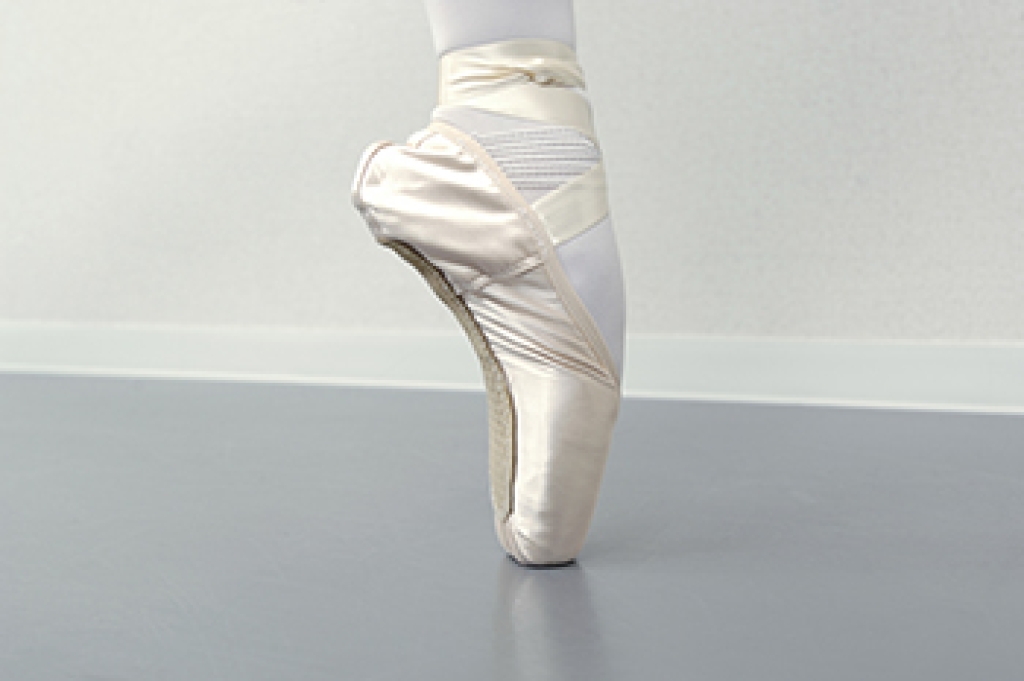
How Foot Bones and Biomechanics Support Safe and Graceful Dancing

The bones of the foot work together in a complex biomechanical system that provides balance, flexibility, and strength during dancing. The hindfoot offers stability, the midfoot supports the arch, and the forefoot absorbs force and propels movement. Proper biomechanics allow smooth transitions, controlled landings, and powerful push off during jumps and turns. A strong forefoot is essential to distribute pressure evenly and reduce strain on ligaments and tendons, helping to prevent stress fractures, tendon injuries, and chronic pain. Weakness or poor alignment can increase the risk of overuse injuries. A podiatrist can assess foot structure, evaluate technique-related stress, and recommend strengthening exercises or orthotics. If you have injured your foot while dancing, it is suggested that you consult a podiatrist who can accurately diagnose and treat foot and ankle conditions.

If you have any concerns about your feet, contact one of our doctors from Favor Foot Ankle Leg & Wound Center. Our doctors can provide the care you need to keep you pain-free and on your feet.

Biomechanics in Podiatry

Podiatric biomechanics is a particular sector of specialty podiatry with licensed practitioners who are trained to diagnose and treat conditions affecting the foot, ankle and lower leg. Biomechanics deals with the forces that act against the body, causing an interference with the biological structures. It focuses on the movement of the ankle, the foot and the forces that interact with them.

A History of Biomechanics

  • Biomechanics dates back to the BC era in Egypt where evidence of professional foot care has been recorded.
  • In 1974, biomechanics gained a higher profile from the studies of Merton Root, who claimed that by changing or controlling the forces between the ankle and the foot, corrections or conditions could be implemented to gain strength and coordination in the area.

Modern technological improvements are based on past theories and therapeutic processes that provide a better understanding of podiatric concepts for biomechanics. Computers can provide accurate information about the forces and patterns of the feet and lower legs.

Understanding biomechanics of the feet can help improve and eliminate pain, stopping further stress to the foot.

If you have any questions please feel free to contact our office located in South Amboy, NJ . We offer the newest diagnostic and treatment technologies for all your foot and ankle needs.

Read more about The Importance of Biomechanics in Podiatry

Ankle Avulsion Fracture and Recovery Expectations

An ankle avulsion fracture occurs when a ligament or tendon pulls a small fragment of bone away from the ankle during a sudden twist, fall, or sports movement. This injury often causes sharp pain, swelling, bruising, and difficulty with weight-bearing. Because symptoms can closely resemble a severe ankle sprain, an avulsion fracture is sometimes overlooked without proper imaging. Pain is often felt on the outside of the ankle, especially during walking or standing. Recovery depends on the size of the fracture and the stability of the ankle joint. An ankle avulsion fracture can heal with rest, immobilization, and temporary activity restriction. A walking boot or brace may be used to protect the ankle while healing occurs. Gradual targeted exercise helps restore strength, balance, and mobility while lowering the risk of re-injury. If ankle pain persists after an injury, it is suggested that you see a podiatrist for an accurate diagnosis and appropriate treatment.

test

Read more about All About Broken Ankle

When Every Step Hurts

Heel pain is a common problem that can result from conditions, such as plantar fasciitis or Achilles tendonitis. Plantar fasciitis often causes sharp pain at the bottom of the heel, especially with the first steps in the morning or after prolonged sitting. Achilles tendonitis typically produces pain at the back of the heel and along the tendon, often worsening with activity or when climbing stairs. These conditions can develop from repetitive stress, improper footwear, or sudden increases in physical activity, and may make walking, running, or standing uncomfortable. The heel may appear slightly swollen or red, while the affected area feels tender and stiff. A podiatrist can help by performing a thorough examination, using imaging if needed, and recommending targeted exercises, orthotics, or other treatments to reduce inflammation and improve mobility. If you have heel pain, it is suggested that you make an appointment with a podiatrist.

Many people suffer from bouts of heel pain. For more information, contact one of our doctors of Favor Foot Ankle Leg & Wound Center. Our doctors can provide the care you need to keep you pain-free and on your feet.

Causes of Heel Pain

Heel pain is often associated with plantar fasciitis. The plantar fascia is a band of tissues that extends along the bottom of the foot. A rip or tear in this ligament can cause inflammation of the tissue.

Achilles tendonitis is another cause of heel pain. Inflammation of the Achilles tendon will cause pain from fractures and muscle tearing. Lack of flexibility is also another symptom.

Heel spurs are another cause of pain. When the tissues of the plantar fascia undergo a great deal of stress, it can lead to ligament separation from the heel bone, causing heel spurs.

Why Might Heel Pain Occur?

  • Wearing ill-fitting shoes                
  • Wearing non-supportive shoes
  • Weight change           
  • Excessive running

Treatments

Heel pain should be treated as soon as possible for immediate results. Keeping your feet in a stress-free environment will help. If you suffer from Achilles tendonitis or plantar fasciitis, applying ice will reduce the swelling. Stretching before an exercise like running will help the muscles. Using all these tips will help make heel pain a condition of the past.

If you have any questions, please feel free to contact our office located in South Amboy, NJ . We offer the newest diagnostic and treatment technologies for all your foot care needs.

Read more about Heel Pain