Favor Foot Ankle Leg & Wound Care is proud to be New Jersey’s leader in advanced wound care. Our experienced team is dedicated to providing innovative and effective treatments for non-healing wounds - so you can start healing today!
See if advanced wound care is right for you - Request an appointment today!
Neutral and stability running shoes are designed to support different foot types and running mechanics. Neutral running shoes provide even cushioning across the midsole and feature a flexible construction that allows the foot to move naturally, making them ideal for runners with a normal arch and minimal pronation. Stability running shoes, on the other hand, offer a firmer foam on the inner side of the midsole, structured sidewalls, and a broader base to improve balance and control overpronation. Choosing the correct shoe reduces injury risk and improves running efficiency. A podiatrist can evaluate your gait, recommend the most suitable shoe type, and provide custom orthotics, if necessary. If you have developed foot pain, it is suggested that you consult a podiatrist who can treat various foot conditions, and guide you on the correct running shoes to wear.
For more information about walking shoes versus running shoes, consult with one of our doctors from Favor Foot Ankle Leg & Wound Center. Our doctors can measure your feet to determine what your needs are and help you find an appropriate pair of footwear.
Foot Health: The Differences between Walking & Running Shoes
There are great ways to stay in shape: running and walking are two great exercises to a healthy lifestyle. It is important to know that running shoes and walking shoes are not interchangeable. There is a key difference on how the feet hit the ground when someone is running or walking. This is why one should be aware that a shoe is designed differently for each activity.
You may be asking yourself what the real differences are between walking and running shoes and the answers may shock you.
Differences
Walking doesn’t involve as much stress or impact on the feet as running does. However, this doesn’t mean that you should be any less prepared. When you’re walking, you land on your heels and have your foot roll forward. This rolling motion requires additional support to the feet.
Flexibility – Walking shoes are designed to have soft, flexible soles. This allows the walker to push off easily with each step.
If you have any questions, please feel free to contact our office located in South Amboy, NJ. We offer the newest diagnostic and treatment technologies for all your foot care needs.

Corns and callouses are thickened areas of skin that develop in response to repeated pressure or friction on the feet. They often appear on the toes, soles, or heels and may look hard, rough, yellowed, or raised. Corns are usually smaller with a central core, while callouses cover a broader area. These areas can feel uncomfortable, tender, or painful, especially when walking or wearing shoes, and some people notice a burning or aching sensation. Causes include ill-fitting footwear, high activity levels, repetitive motion, and lack of cushioning or support. A podiatrist can help from the start by identifying the source of pressure and confirming the diagnosis. Initial treatment may include safe removal of thickened skin. Care can then move into custom orthotics, gait evaluation, and preventive strategies to reduce recurrence and improve comfort. Addressing corns and callouses early can help protect overall foot health. For care, it is suggested that you make an appointment with a podiatrist.
Corns can make walking very painful and should be treated immediately. If you have questions regarding your feet and ankles, contact one of our doctors of Favor Foot Ankle Leg & Wound Center. Our doctors will treat your foot and ankle needs.
Corns: What Are They? And How Do You Get Rid of Them? Corns are thickened areas on the skin that can become painful. They are caused by excessive pressure and friction on the skin. Corns press into the deeper layers of the skin and are usually round in shape.
Ways to Prevent Corns There are many ways to get rid of painful corns such as:
Wearing properly fitting shoes that have been measured by a professional
Wearing shoes that are not sharply pointed or have high heels
Wearing only shoes that offer support
Treating Corns
Although most corns slowly disappear when the friction or pressure stops, this isn’t always the case. Consult with your podiatrist to determine the best treatment option for your case of corns.
If you have any questions, please feel free to contact our office located in South Amboy, NJ. We offer the newest diagnostic and treatment technologies for all your foot care needs.
Gout is a painful inflammatory condition that commonly affects the foot, most often the big toe. It is caused by a buildup of uric acid in the blood, which forms sharp crystals inside the joint. The area may look red, shiny, and warm, sometimes with tight or stretched skin. It often feels like sudden intense pain, burning, and extreme tenderness that can make walking or even light contact uncomfortable. Symptoms frequently begin at night and may come on suddenly. Causes include dehydration, kidney problems, and diets high in purines such as red meat, seafood, and alcohol. A podiatrist can help from the start by evaluating symptoms, confirming the diagnosis through examination and imaging, and coordinating lab testing when needed. Treatment may begin with pain and inflammation control, footwear guidance, and activity modification, then move into long-term management, education, and preventive care. If you are dealing with gout, it is suggested that you make an appointment with a podiatrist.
Gout is a form of arthritis that is characterized by sudden, severe attacks of pain, redness, and tenderness in the joints. The condition usually affects the joint at the base of the big toe. A gout attack can occur at any random time, such as the middle of the night while you are asleep.
Symptoms
Intense Joint Pain - Usually around the large joint of your big toe, and it most severe within the first four to twelve hours
Lingering Discomfort - Joint discomfort may last from a few days to a few weeks
Inflammation and Redness -Affected joints may become swollen, tender, warm and red
Limited Range of Motion - May experience a decrease in joint mobility
Risk Factors
Genetics - If family members have gout, you’re more likely to have it
Medications - Diuretic medications can raise uric acid levels
Gender/Age - Gout is more common in men until the age of 60. It is believed that estrogen protects women until that point
Diet - Eating red meat and shellfish increases your risk
Alcohol - Having more than two alcoholic drinks per day increases your risk
Obesity - Obese people are at a higher risk for gout
Prior to visiting your podiatrist to receive treatment for gout, there are a few things you should do beforehand. If you have gout you should write down your symptoms--including when they started and how often you experience them, important medical information you may have, and any questions you may have. Writing down these three things will help your podiatrist in assessing your specific situation so that he or she may provide the best route of treatment for you.
If you have any questions, please feel free to contact our office located in South Amboy, NJ. We offer the newest diagnostic and treatment technologies for all your foot care needs.
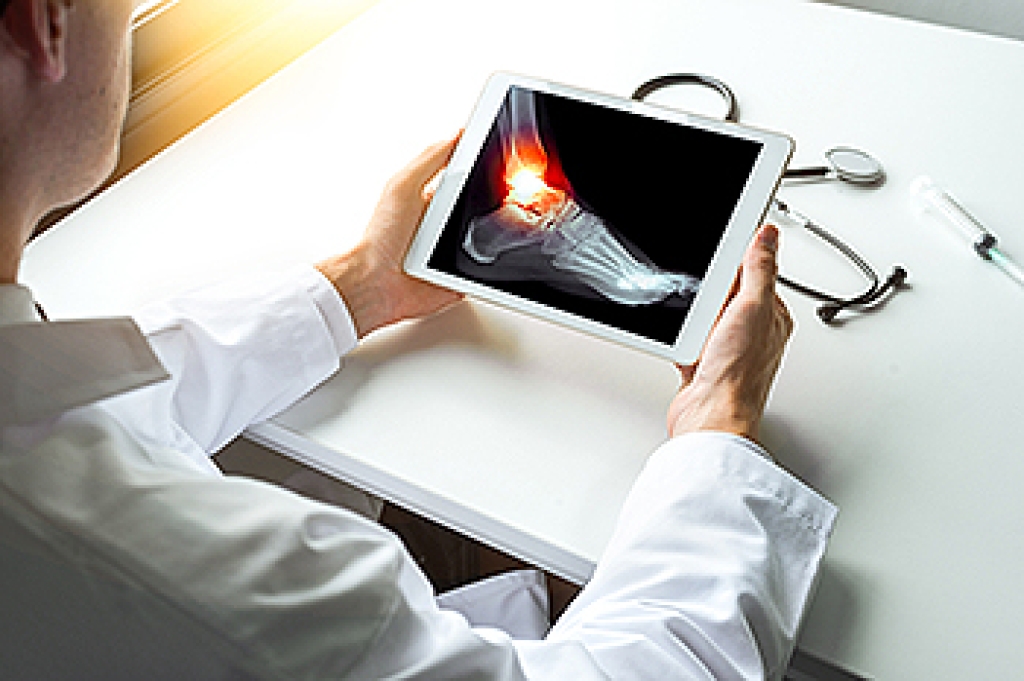
Surgery for plantar fasciitis is considered when long-term heel pain does not improve with conservative care. The goal of surgery is to reduce tension and inflammation in the plantar fascia, which is the thick band of tissue supporting the arch. A plantar fasciotomy is a procedure that involves partially releasing the plantar fascia to relieve strain and promote healing. An endoscopic plantar fasciotomy is a minimally invasive approach that uses small instruments and a camera to perform the release with less tissue disruption. This method often allows for smaller incisions and a smoother recovery. A podiatrist carefully evaluates symptoms, imaging, and activity level before recommending surgical treatment. If persistent heel pain is limiting your mobility, it is suggested that you schedule a consultation with a podiatrist who can determine which type of surgery is right for you.
Foot and ankle surgery is generally reserved for cases in which less invasive, conservative procedures have failed to alleviate the problem. Some of the cases in which surgery may be necessary include:
Removing foot deformities like bunions and bone spurs
Severe arthritis that has caused bone issues
Cosmetic reconstruction
What Types of Surgery Are There?
The type of surgery you receive will depend on the nature of the problem you have. Some of the possible surgeries include:
Bunionectomy for painful bunions
Surgical fusion for realignment of bones
Neuropathy decompression surgery to treat nerve damage
Benefits of Surgery
Although surgery is usually a last resort, it can provide more complete pain relief compared to non-surgical methods and may allow you to finally resume full activity.
Surgical techniques have also become increasingly sophisticated. Techniques like endoscopic surgery allow for smaller incisions and faster recovery times.
If you have any questions, please feel free to contact our office located in South Amboy, NJ. We offer the newest diagnostic and treatment technologies for all your foot care needs.